

About the Center
About the Research Center for Textual Scholarship
Textual scholarship is concerned not only with the critical editing of texts based on primary sources, but also with examining how texts are composed, transmitted, and transformed over time. It encompasses both Editionswissenschaft—the German tradition of scholarly editing—and critique génétique—the French approach that investigates the genesis of literary works through manuscripts and drafts.
Traditionally, this field developed within national and disciplinary boundaries. In recent decades, however, these boundaries have increasingly been reconsidered. One important reason for this shift has been the rapid development of information technology. The large-scale digitization of manuscripts, printed books, and other textual materials has made sources more widely accessible, encouraged international collaboration, and contributed to the growing globalization of the humanities. As a result, discussions about how textual resources should be studied and edited are now taking place across national borders, particularly in Europe.
The Research Center for Textual Scholarship seeks to engage closely with these developments in Western textual scholarship and to introduce and further cultivate this field in Japan. By participating actively in international scholarly discussions, the Center aims to contribute both theoretically and practically to ongoing reflections on the methodological and conceptual foundations of humanities research in an age of globalization and digital transformation.
The Center was established as part of the research project The Third Generation of Editing: Textual Scholarship Research with the Aim to Regenerate the Classics and to Revitalize Literary Studies, supported by the MEXT / JSPS Grant-in-Aid for Scientific Research (A) (Principal Investigator: Kiyoko Myojo).
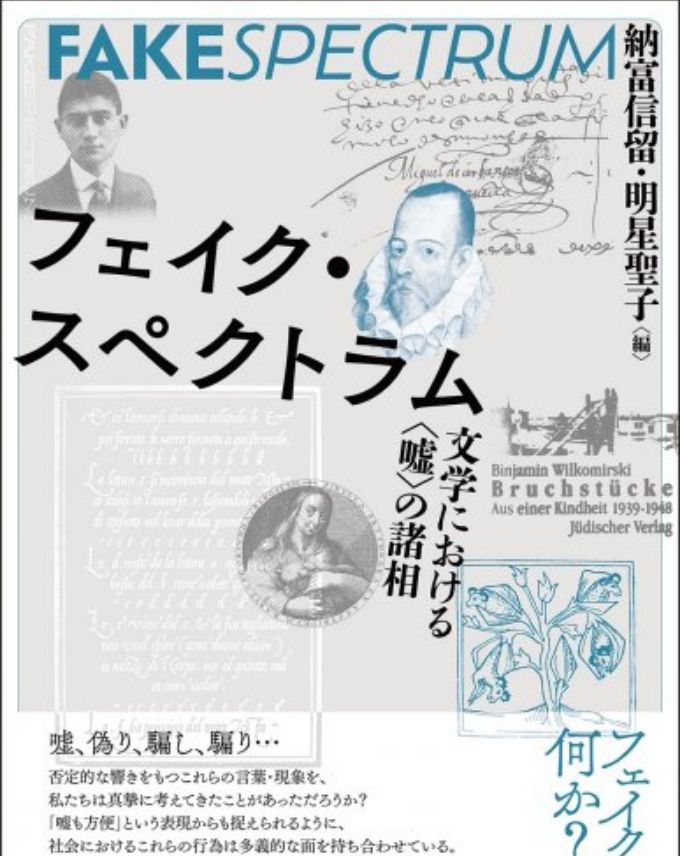
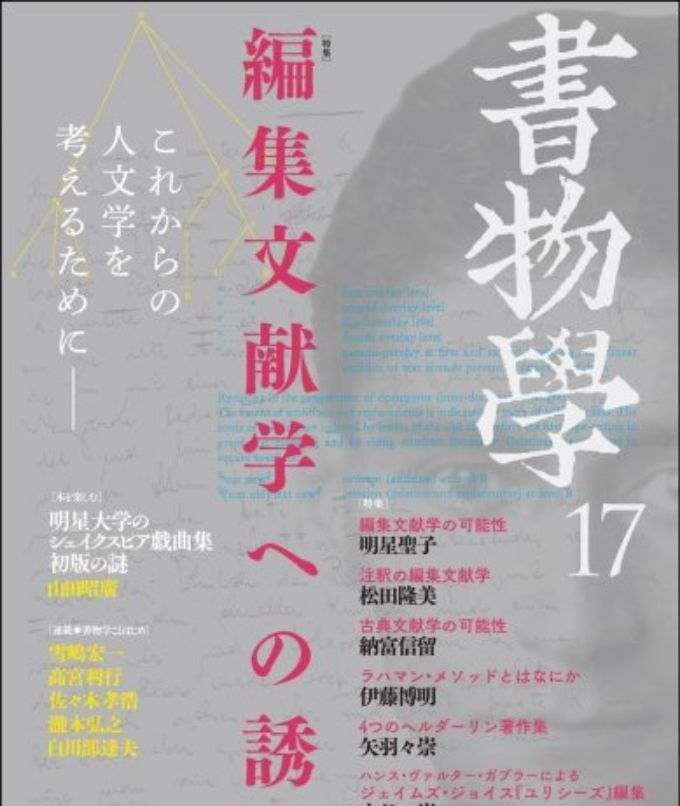
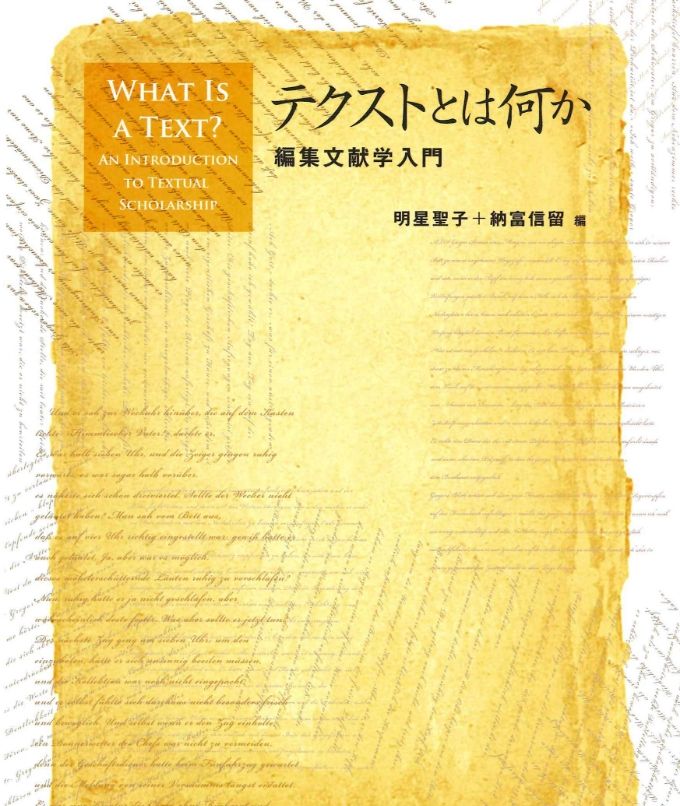
Publications
Our Partners

The Centre for Creativity Research (CCR),
Jagiellonian UniversityDecember 2025-